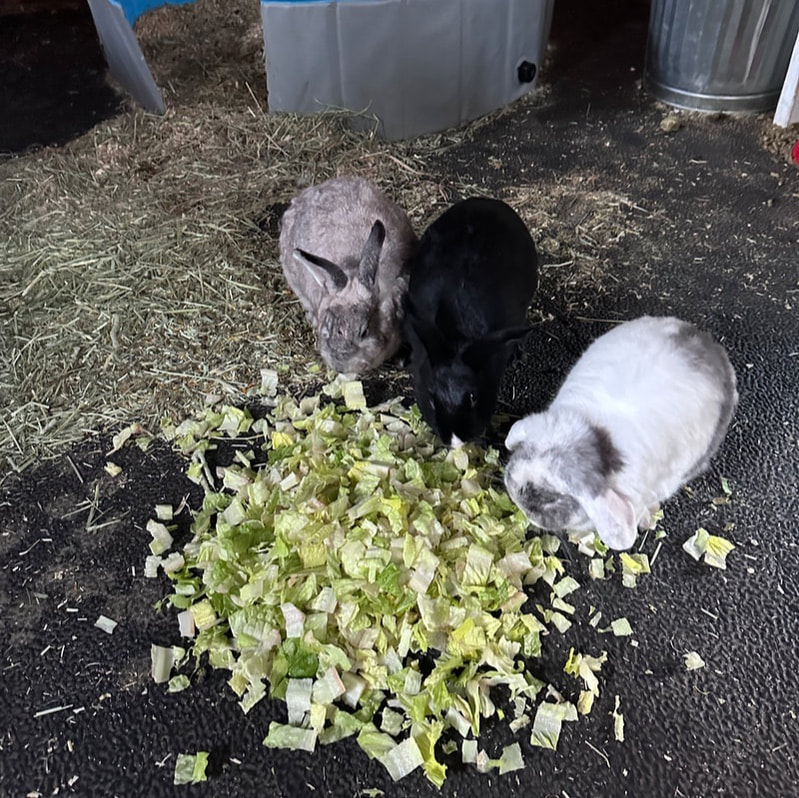
 Here at the sanctuary, we currently have three rabbits (BunBun, BiBi and Barbie). They are housed in a large converted chicken coop with an attached aviary so they have access to both being inside and outside. BunBun is a 5 year old spayed female who was found lost in the streets. BiBi is a 2 year old un-spayed female who was found in the streets on a later date and different location than BunBun. Barbie is a 6 mo - 1 year old un-spayed female who was surrendered to the sanctuary after her owner abandoned her at her rental property. Rabbit Diet
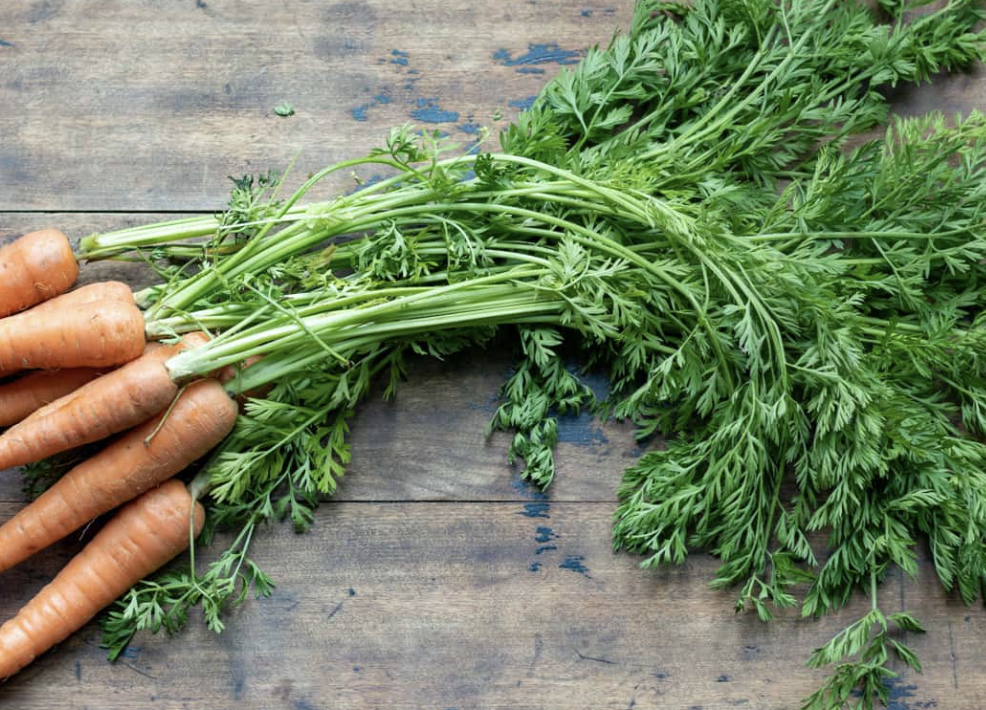
Rabbits can eat a good amount of carrot tops, herbs and lettuce but the carrots themselves should be fed sparingly. Small amounts of fruit such as strawberries, apples and bananas can be given occasionally as treats. Greens that are safe for rabbits include lettuce (except iceberg) and herbs (including parsley, cilantro, dill and basil). Kale can be fed occasionally but it can cause diarrhea when feed too often. Never feed a rabbit onions, garlic, leeks, chives (or any other plant in the onion family), corn or any processed foods. Corn kernels can cause bowel obstruction which can lead to bloat which is an emergency situation. Rabbit Housing
Rabbit Facts
0 Comments
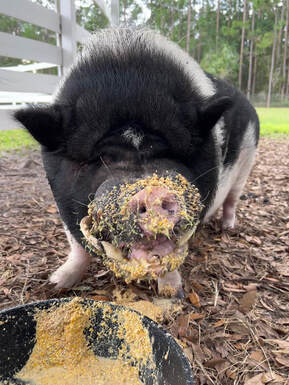 In this article, I will discuss the proper way to feed your pet pig. Pigs are omnivores, so their natural diet in the wild would include roots, veggies, nuts, seeds, berries, worms, insects, raw eggs and other little critters. It is ideal to feed captive pigs a large meal twice a day (breakfast and dinner) with healthy snacks throughout the day. There are several kinds of commercial feeds available for pigs, but most of them were developed for pigs intended for slaughter (to encourage maximum growth in a minimal amount of time). These feeds should not be fed to pigs who are intended to live a full life. There are commercial mini pig (or pot-bellied pig) food which are a better option but they should complement the pig's meal rather than be fed solely. A good daily diet for your pig should be primarily salad and vegetables. An example of a daily diet:
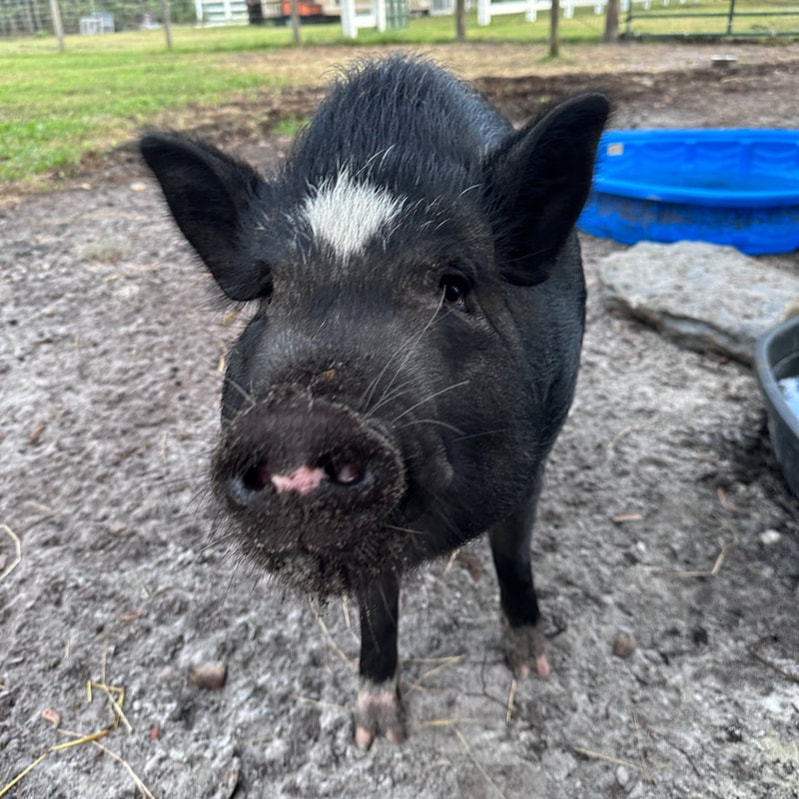
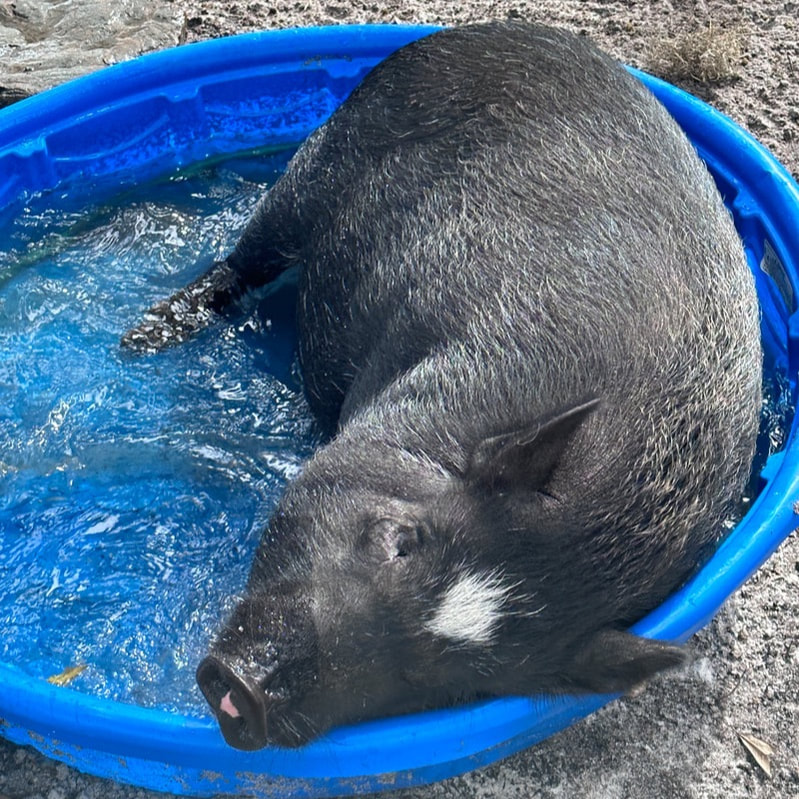
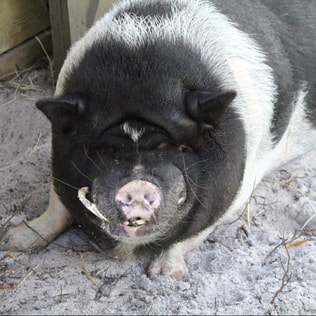
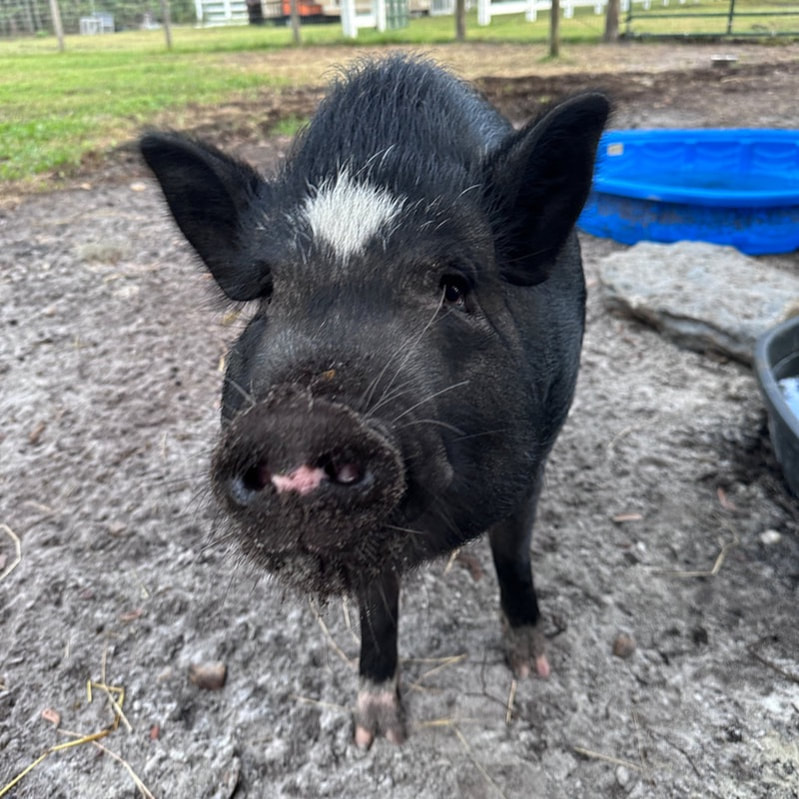
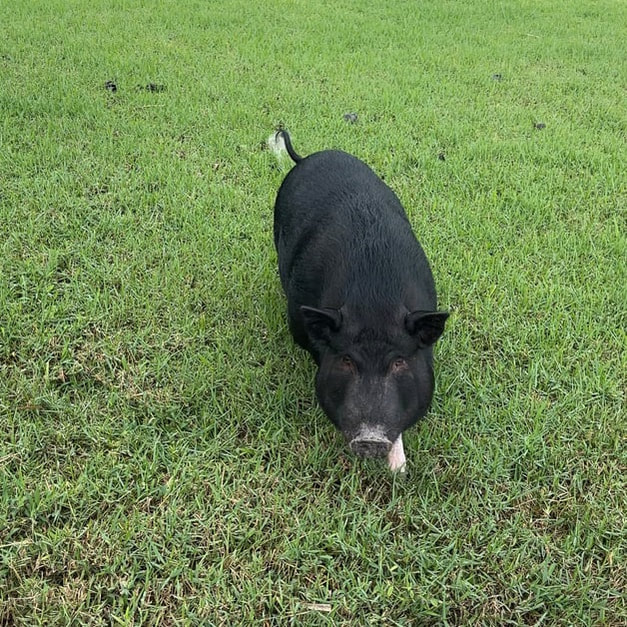
Pig FactsStudies have found pigs to be more intelligent and trainable than dogs and to have an IQ equal to or greater than a 3 year old child. Pigs are ranked as the 5th most intelligent animal in the world. They can learn their names quickly and they come when called. They are capable of playing video games better than some primates. Pigs do not sweat which is why they like to lay in water or mud on hot days. Pigs are clean animals and choose a place to defecate away from where they sleep and eat. Pigs love belly rubs and can enjoy playing with toys and with each other. Pigs have an excellent sense of direction and can find their way home over long distances. Pigs at the SanctuaryAt the moment all of the pigs at the sanctuary are Pot Bellied (miniature) pigs. The current pigs are Dexter (10+ years old), Olive (6 years old) and Hamlet (1.5 years old). Dexter and Hamlet are neutered and Olive is spayed. Vietnam Potbelly pigs are a dwarf swine breed which where developed in the 1960's. They are imported to North American by a Canadian named Keith Connell who intended to put them in zoos but private buyers showed an interest and they began being sold as pets. They are called miniature pigs because they average 250 pounds when full grown which is much smaller than the regular sized 600-1500 pound domestic swine. They are not full grown until 5 years of age. Interesting fact: A neutered male pig is called a "barrow" while and intact male pig is called a "boar". A female pig who has never had piglets is called a "gilt" while a mother pig is called a "sow".
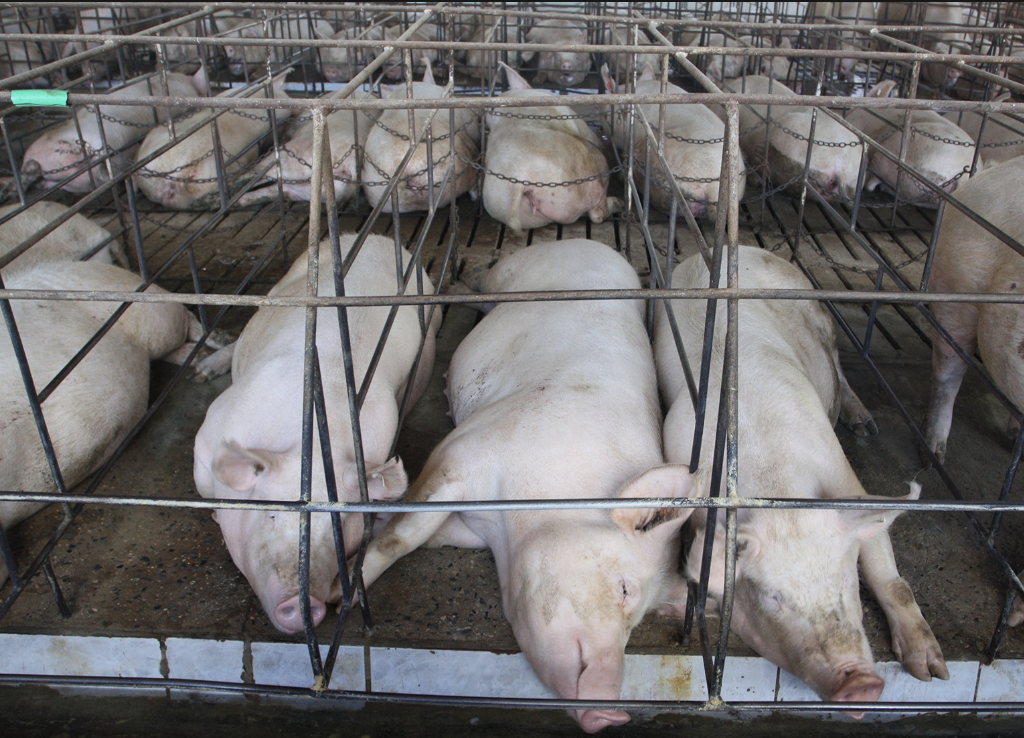
Factory Farmed Pigs
|
AuthorDr. Angel is the owner of Holistic Animal Studies and a board member of Angel's Animals, LLC. ArchivesCategories |
 RSS Feed