ANGEL'S ANIMAL SANCTUARY
  • Upcoming Events
  • Join our Club
  • About
    • Members
  • Contact
  • Volunteer
  • Tours
  • Retreats
  • Art Classes
  • Yoga
  • Cooking Classes
  • Venue Rental
  • Weddings
  • Apparel
  • Custom Pet Portraits
  • Donate
    • Sponsor An Animal
  • Blog
  • Pledge to Eat Less Meat
  • Media

Blog

Rabbit care

11/6/2023

1 Comment

 
Picture
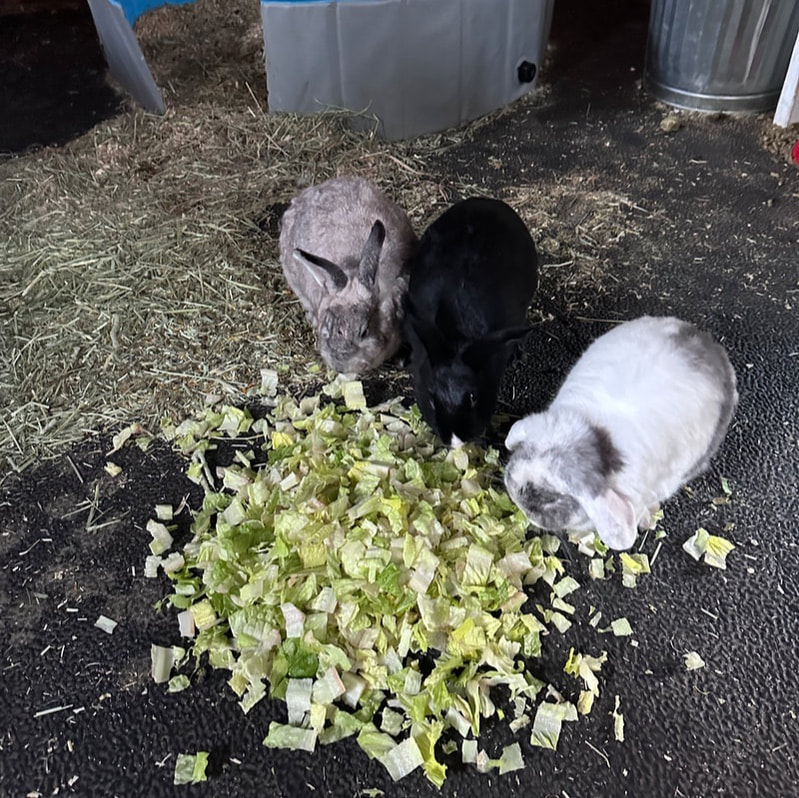
Here at the sanctuary, we currently have three rabbits (BunBun, BiBi and Barbie). They are housed in a large converted chicken coop with an attached aviary so they have access to both being inside and outside. BunBun is a 5 year old spayed female who was found lost in the streets. BiBi is a 2 year old un-spayed female who was found in the streets on a later date and different location than BunBun. Barbie is a 6 mo - 1 year old un-spayed female who was surrendered to the sanctuary after her owner abandoned her at her rental property. 

Rabbit Diet

Picture
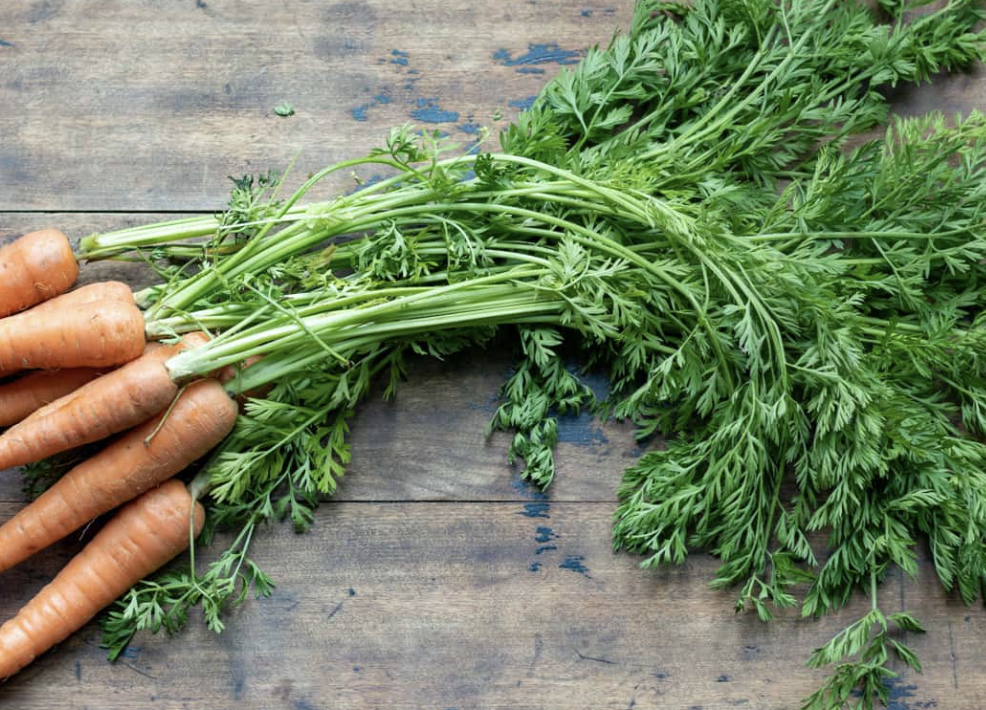
A rabbit's diet should consist mainly of large quantities of hay or grass which they should have access to 24/7. Rabbit pelleted feed and fresh greens should make up the rest of their daily intake. Fresh grass can be fed to rabbits if plucked from the ground, but you must be sure that it hasn't been treated with any pesticides.
Rabbits can eat a good amount of carrot tops, herbs and lettuce but the carrots themselves should be fed sparingly. Small amounts of fruit such as strawberries, apples and bananas can be given occasionally as treats. Greens that are safe for rabbits include lettuce (except iceberg) and herbs (including parsley, cilantro, dill and basil). Kale can be fed occasionally but it can cause diarrhea when feed too often. Never feed a rabbit onions, garlic, leeks, chives (or any other plant in the onion family), corn or any processed foods. Corn kernels can cause bowel obstruction which can lead to bloat which is an emergency situation. 

Rabbit Housing

Picture
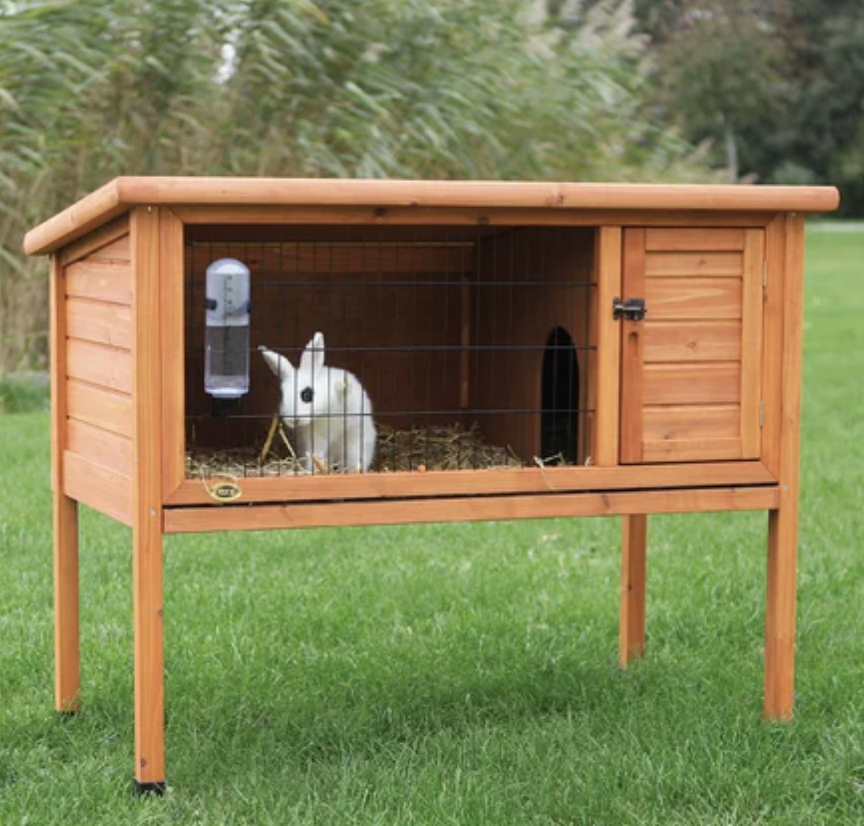
Many people believe that rabbits can be kept in small hutches all the time. This concept was developed by those who were breeding and raising rabbits for meat. Keeping rabbits in a hutch will lead to stressed and depressed animals. Also, the lack of exercise can lead to health problems. In the wild, a rabbit may roam up to 3 miles per day. It is important that rabbits have enough space to run, play and dig. 

Rabbit Facts

  • A baby rabbit is called a kit, a female is called a doe and a male is called a buck
  • Rabbits are very social animals and they live in groups in a series of underground tunnels called warrens
  • A rabbit's teeth never stop growing and they are worn down by chewing on grasses, hay, wildflowers and vegetables. Domesticated rabbits can develop dental issues preventing them from eating when they do not chew on enough roughage to wear down their teeth properly. 
  • Rabbits will jump in the air and twist and kick when they are happy
  • Like cats, happy rabbits can purr
  • Mother rabbits are pregnant for 28-31 days and give birth to up to 14 babies (called kittens) in a single litter
  • In captivity the rabbit's lifespan ranges from 8-12 years
  • Rabbits are intelligent creatures who are able to memorize tricks, solve problems and react to cues
  • Rabbits can recognize a range of human words, including their name
  • The intelligence of a rabbit is comparable to that of a cat or dog
Make a donation to help the sanctuary rabbits
1 Comment
Gay Arabs Redding link
1/11/2025 07:05:53 am

Great blog postt

Reply


Leave a Reply.

    Author

    Dr. Angel is the owner of Holistic Animal Studies and a board member of Angel's Animals, LLC.

    Archives

    December 2025
    October 2025
    September 2025
    September 2024
    November 2023

    Categories

    All

    RSS Feed

Copyright © 2026
  • Upcoming Events
  • Join our Club
  • About
    • Members
  • Contact
  • Volunteer
  • Tours
  • Retreats
  • Art Classes
  • Yoga
  • Cooking Classes
  • Venue Rental
  • Weddings
  • Apparel
  • Custom Pet Portraits
  • Donate
    • Sponsor An Animal
  • Blog
  • Pledge to Eat Less Meat
  • Media