ANGEL'S ANIMAL SANCTUARY
  • Upcoming Events
  • Join our Club
  • About
    • Members
  • Contact
  • Volunteer
  • Tours
  • Retreats
  • Yoga
  • Venue Rental
  • Weddings
  • Apparel
  • Custom Pet Portraits
  • Donate
    • Sponsor An Animal
  • Blog
  • Pledge to Eat Less Meat
  • Media

Blog

Nourishing the Senses: Recipes from Our 5 Senses Wellness Retreat

10/28/2025

0 Comments

 
Picture
At our 5 Senses Wellness Retreat, food is more than just nourishment—it’s a full-body, soul-satisfying experience. Every ingredient, every bite, and every scent is chosen to support healing, balance, and joy from the inside out.
We’re excited to share a few of the favorite recipes from the retreat—each one designed to support wellness while pleasing all five senses. Whether you're craving something fresh, comforting, savory, or sweet, there's something here for you.
Picture
Quinoa, Chickpea & Celery Salad with Apple Cider DressingThis colorful, nutrient-rich salad is packed with protein, fiber, and crunch. It’s perfect for meal prep, picnics, or as a refreshing side dish.
Ingredients
  • 1 cup quinoa (or farro, bulgur, or wild rice)
  • 2 cups vegetable broth (Better Than Bouillon works well!)
  • 2 cups cooked chickpeas
  • 4 cups chopped kale
  • 2 cups chopped red cabbage
  • 1 ½ cups chopped celery
  • 1 cup shredded carrots
  • ½ red onion, chopped
  • ½ cup dried cranberries or raisins
  • ½ cup slivered almonds or other nuts
Apple Cider Dressing
  • ½ cup olive oil or chickpea water
  • ¼ cup apple cider vinegar
  • 1 tbsp Dijon mustard
  • 1 tbsp maple syrup
  • Salt & pepper to taste
Instructions
  1. Rinse quinoa and cook in broth until tender (12–15 minutes). Let cool.
  2. Chop all veggies and mix in a large bowl with chickpeas and cooled quinoa.
  3. Add nuts and dried fruit.
  4. Whisk or shake together dressing ingredients. Pour over salad and toss to coat.
  5. Let sit overnight for best flavor!
    Serves 4

🥬 Rice Paper Spanakopita (Greek Spinach Pie, Reinvented)This gluten-free twist on a Greek classic uses rice paper and eggs to create crispy, golden spirals packed with flavor.
Ingredients
  • 12 sheets brown rice paper
  • 4 eggs, whisked
  • 2 boxes frozen or 1 bag fresh spinach
  • 1 finely chopped brown onion
  • Feta cheese, crumbled
  • Chopped garlic, to taste
  • Oregano, thyme, rosemary, nutmeg (fresh or dried)
  • Sesame seeds
Instructions
  1. Sauté onions and garlic until translucent. Add spinach and herbs, cook until wilted.
  2. Let cool slightly, then stir in feta and season with nutmeg, garlic powder, and za’atar.
  3. Preheat oven to 350°F.
  4. Dip rice paper in egg, lay out overlapping sheets, and add spinach mixture.
  5. Roll into a cigar shape, then into a spiral.
  6. Sprinkle with sesame seeds and bake for 15–20 minutes.
  7. Get creative! Add vegan feta, sun-dried tomatoes, artichokes, or mozzarella if desired.
    Serves 4

Veggie Burgers with Corn & Black BeansThese hearty veggie burgers are customizable, delicious, and full of plant-based protein.
Ingredients
  • 1 can black beans, mashed
  • 1 can corn, rinsed and dried
  • 1 minced onion
  • 3 cloves chopped garlic
  • 1 cup crushed walnuts
  • 1 egg
  • 1 cup breadcrumbs (or cooked oats, brown rice, or quinoa if needed)
Instructions
  1. Sauté onions and garlic until fragrant. Add corn, then beans.
  2. Transfer to a bowl and mix in egg and breadcrumbs. Add more dry ingredients if needed.
  3. Season with smoked paprika, chili, cumin, or your favorite spices.
  4. Shape patties using a ring mold. Refrigerate to firm up.
  5. Bake at 350°F for 30 minutes or pan-fry in olive oil for 4 minutes per side.
    Makes 4–6 patties

Date Brownies (Gluten-Free & Naturally Sweetened)These rich, fudgy brownies are sweetened with dates and made without refined sugar. A retreat favorite!
Ingredients
  • 4 cups dates, soaked in 1 cup hot water
  • 1 cup cocoa powder
  • 1 cup chopped nuts (pecans or walnuts)
  • Maple syrup to taste
  • ½ cup almond flour
  • Optional: ½ cup peanut or almond butter, shredded coconut, oats, vanilla, chocolate chips
Instructions
  1. Blend soaked dates with water in a food processor.
  2. Add cocoa, almond flour, nuts, and any optional ingredients.
  3. Adjust consistency: add oats if too runny, or plant milk if too dry.
  4. Bake in a greased pan at 350°F for ~30 minutes.
  5. Test with a fork, then grate dark chocolate over warm brownies to melt.
Tip: If too soft, roll into bite-size balls and coat with shredded coconut for delicious energy bites!

Final ThoughtsEach of these recipes was created to delight the senses and support whole-body wellness. Whether you’re joining us at a retreat or recreating the experience at home, we hope these meals nourish you deeply.

​Eat well, live well, and remember: healing begins with intention—and every bite counts.

View Upcoming Retreats
0 Comments

September 07th, 2025

9/7/2025

0 Comments


🌱 Lab-Grown Meat: A New Frontier for Animals, People, and the Planet

At our sanctuary, we spend every day celebrating the beauty and individuality of animals. We see firsthand that cows, pigs, chickens, and fish are more than food—they are sentient beings with rich emotional lives. That’s why the growing conversation about lab-grown meat (also called cultured meat or cell-based meat) is so important. It has the potential to reshape our relationship with animals, our food system, and the planet we all share.
Picture
🥩 What Exactly Is Lab-Grown Meat?Lab-grown meat is real meat—but instead of coming from slaughtered animals, it’s grown directly from animal cells. Scientists take a small sample (like a feather, a swab, or a harmless biopsy) and place the cells in a nutrient-rich environment where they multiply. Over time, they grow into muscle tissue—the same tissue we call meat.
It’s not imitation meat like veggie burgers or soy products. It’s biologically the same as conventional meat, just produced in a different way.

🐄 What About the Animals?This is where lab-grown meat shines. Today, 56 billion land animals are killed every year for food, not counting fish. Lab-grown meat could change that dramatically.
  • In early versions, scientists used fetal bovine serum (FBS) from unborn calves to help cells grow. This raised ethical concerns.
  • Thankfully, many companies are already creating serum-free, plant-based growth media—which means no ongoing animal sacrifice.
  • Some startups have grown chicken from a single egg, feeding many people without harming the hen at all.
The long-term goal is a future where animals don’t have to die for us to eat meat.
Picture
🌍 The Bigger Picture: Environment & Health
  • Planet-Friendly: Factory farming is one of the largest drivers of deforestation, greenhouse gas emissions, and water pollution. Cultured meat could cut the environmental footprint by using fewer resources and producing far less waste.
  • Health Benefits: Lab-grown meat is raised in clean, controlled conditions—free from antibiotics, fecal contamination, or diseases like salmonella. This could mean safer meat for consumers and a reduced risk of antibiotic resistance.
  • Nutritional Tweaks: Because it’s made in a bioreactor, nutrients like omega-3 fatty acids could be added directly into the meat, making it healthier than conventional cuts.

⚖️ Challenges Still AheadLike all new technologies, cultured meat faces hurdles:
  • Cost: Prices are dropping fast, but it’s still more expensive than farmed meat.
  • Scaling Up: Producing enough to feed millions is a massive challenge.
  • Consumer Acceptance: Some people feel hesitant about eating something grown in a lab, even though it may be safer than meat from factory farms.

💚 Why This Matters to Us at the SanctuaryFor us, lab-grown meat represents hope. Imagine a world where farmed animals no longer suffer in overcrowded barns or slaughterhouses. Imagine feeding communities with compassion and sustainability at the center.
Lab-grown meat isn’t a perfect solution—it’s still evolving—but it is a powerful step toward sparing billions of lives while also addressing urgent issues like climate change and food security.
At the sanctuary, we’ll always advocate for plant-based eating as the most compassionate and holistic choice. But we also believe that cultured meat could be a bridge to a kinder food system, helping reduce suffering on an enormous scale.
Picture
Lab-grown meat offers an exciting and compassionate solution for feeding our dogs and cats. As obligate carnivores, cats—and to a lesser extent dogs—thrive on animal protein, but traditional meat production relies on the suffering and slaughter of billions of animals. Cultured meat provides the same essential nutrients without the cruelty, making it a humane option that aligns with our values of compassion and care. It’s also produced in clean, controlled environments, reducing the risks of contamination, antibiotics, and hormones commonly found in conventional meat. By choosing lab-grown meat for pet food, we can nourish our beloved companions while sparing countless farm animals, lessening our environmental footprint, and moving closer to a food system rooted in kindness.

​As with any new innovation, it’s natural to feel some hesitation when first hearing about lab-grown meat. But rather than letting fear of the unknown guide our decisions, we can choose to look at the bigger picture—the potential to reduce suffering, protect the planet, improve food safety, and even provide healthier options for ourselves and our animal companions. Keeping an open mind allows us to explore solutions that align with compassion, sustainability, and progress. Lab-grown meat may not be the only answer, but it is an important step toward creating a kinder, more humane future—one where we can nourish life without taking it.

0 Comments

Could your pet become an emotional support animal?

9/28/2024

0 Comments

 
Picture
To make a pet an Emotional Support Animal (ESA), allowing them to reside in housing that typically does not allow animals, follow these steps:

1. Understand What an ESA Is
An Emotional Support Animal provides comfort and support to individuals suffering from emotional or psychological conditions like anxiety, depression, PTSD, or phobias. Unlike service animals, ESAs are not required to have specialized training but are recognized for the comfort they offer.

2. Get an ESA Letter from a Licensed Mental Health Professional
The most important step in making your pet an ESA is obtaining an official letter from a licensed mental health professional (LMHP), such as a therapist, psychologist, or psychiatrist. This letter should:
   - Be on official letterhead.
   - Include the professional's license number, date, and their contact information.
   - State that you have an emotional or mental health condition recognized by the **Diagnostic and Statistical Manual of Mental Disorders (DSM-5)**.
   - Confirm that the ESA is necessary to help alleviate symptoms of your condition.

The ESA letter is your legal documentation to present to landlords under the **Fair Housing Act (FHA)**, which requires housing providers to make reasonable accommodations for emotional support animals, even if their property has a no-pet policy.

 3. Fair Housing Act Protections
The Fair Housing Act prohibits discrimination against individuals with disabilities and requires landlords to make accommodations for ESAs. Even if the housing has a strict "no pets" policy, landlords are generally required to allow an ESA with a valid ESA letter, as long as:
   - The animal does not pose a direct threat to the health or safety of others.
   - The animal does not cause significant damage to the property.

4. Present the ESA Letter to Your Landlord
Once you have the ESA letter, provide it to your landlord or housing authority. Explain that your animal is an emotional support animal, not a regular pet, and present the letter as evidence. Landlords cannot charge extra fees or pet deposits for ESAs, though you can still be held responsible for any damages your animal may cause.

5. Know Your Rights and Responsibilities
While the Fair Housing Act offers protections, it’s important to note that:
   - Landlords may request documentation (i.e., the ESA letter), but they cannot ask for extensive medical records.
   - Landlords are not allowed to reject your ESA unless they can prove it poses a threat to others or could cause significant property damage.

Programs and Resources:
If you do not already have a mental health provider, there are online services that can connect you with licensed professionals to evaluate your need for an ESA and issue a legitimate ESA letter if appropriate. Some examples include **ESA Doctors** and **Certapet**.

---

By following these steps, you can ensure that your pet qualifies as an ESA and that you and your animal are protected under the Fair Housing Act, allowing you to keep them in housing that may otherwise have a no-pet policy.

​Remember, finding solutions to keep your pet is always a better option than bringing them to a shelter!
0 Comments

Why rehoming your pet usually isn't in your pet's best interest

9/28/2024

0 Comments

 
Picture
Owning a pet is a lifelong commitment, yet every year thousands of animals end up in shelters and sanctuaries. While rehoming may seem like the only option for some, it is often not in the best interest of the animal. Life at a shelter or sanctuary, no matter how well-run, is not the same as a stable home. Here, we explore the most common reasons people give up their pets and explain why keeping them can ultimately be better for both you and your beloved companion.

Common Reasons People Give Up Their Pets

Financial Hardship
One of the most cited reasons for rehoming a pet is financial difficulty. Veterinary bills, food, and other supplies can add up, and unexpected expenses can make pet ownership seem impossible. However, there are a number of programs designed to help pet owners manage costs. Organizations like The Pet Fund and RedRover Relief provide financial aid for veterinary care, while local food banks may also offer pet food assistance. By taking advantage of these resources, you may be able to keep your pet rather than face the emotional toll of giving them up.
  1. Moving or Housing Restrictions
    Many pet owners surrender their animals when they are forced to move to a new home, especially if the new place doesn’t allow pets. But with a little extra effort, you can find pet-friendly housing. Websites like Zillow or PetFriendlyLiving can help filter listings for homes that welcome pets. If moving with your pet seems overwhelming, consider speaking to local animal advocacy groups for advice on pet-friendly housing in your area. Also, if your pet is eligible to be an emotional support animal, housing cannot restrict your animal from living with you. could-your-pet-become-an-emotional-support-animal.html
  2. Behavioral Issues
    Pets with behavioral problems are often surrendered because their owners feel unequipped to manage them. However, many of these issues can be resolved with the help of professional trainers or behaviorists. Programs like The Humane Society's Pets for Life offer low-cost or free training services to help with common issues like aggression, anxiety, or house-training challenges. Remember, behavioral problems can often be a result of stress or environment changes, and with proper care, many pets can overcome these obstacles.
  3. Allergies
    Allergies can be difficult to manage, especially if a family member suddenly develops them. Before giving up your pet, consider consulting with a doctor about allergy management options. HEPA filters, frequent cleaning, and over-the-counter allergy medications can make living with a pet easier, and hypoallergenic products for pets (like special shampoos) can reduce allergen exposure.
  4. Time Constraints
    Some pet owners feel they simply don’t have enough time to care for their animals, especially if their work or family life becomes more demanding. However, before making the decision to rehome your pet, think about other ways to provide them with the attention they need. Hiring a dog walker, pet sitter, or enrolling them in a local doggy daycare can relieve some of the burden. You can also try time-saving products like automated feeders or self-cleaning litter boxes.
The Reality of Life in a Shelter or SanctuaryWhile shelters and sanctuaries aim to provide animals with the best possible care, they can never fully replace a loving, stable home. Animals in shelters often experience high levels of stress due to the unfamiliar environment, lack of individual attention, and constant exposure to other stressed animals. This stress can lead to depression, anxiety, and even physical illness.
Moreover, resources at shelters and sanctuaries are often limited. Animals may not receive the one-on-one care they deserve, and while sanctuaries like ours strive to give them the best life possible, it’s still not the same as the comfort of their own home. Many animals have a difficult time adjusting to shelter life, and the transition can be emotionally traumatic.
Programs to Help You Keep Your PetThere are numerous programs available to help pet owners navigate the challenges of keeping their animals. Here are a few key resources:
  • The Pet Fund: Offers financial assistance for non-basic, non-emergency veterinary care.
  • RedRover Relief: Provides support for emergency veterinary care and temporary boarding during times of crisis.
  • CareCredit: A healthcare credit card that covers veterinary expenses and allows you to pay off bills in installments.
  • Humane Society's Pets for Life: Offers low-cost or free services like training, pet care advice, and even veterinary referrals for pet owners in need.
Why Keeping Your Pet is the Best OptionPets are family, and the emotional bond between humans and their animals is priceless. They offer companionship, unconditional love, and emotional support, and they trust you to care for them. Even when times are tough, keeping your pet can lead to better outcomes for both you and the animal. Studies have shown that pet owners experience reduced stress, lower blood pressure, and greater emotional well-being when they have animals in their lives. By exploring available resources and seeking help, you can continue to provide a loving, stable home for your pet.
Conclusion
Surrendering a pet is a heartbreaking decision, but it's often not the only option. With the right support and resources, many of the challenges that lead to rehoming can be overcome. By keeping your pet, you're not only sparing them from the stress of life in a shelter or sanctuary, but you're also keeping the incredible bond you share alive.
If you're ever in doubt, don't hesitate to explore the assistance available to help you through tough times—and remember, your pet needs you just as much as you need them.
0 Comments

Rabbit care

11/6/2023

1 Comment

 
Picture
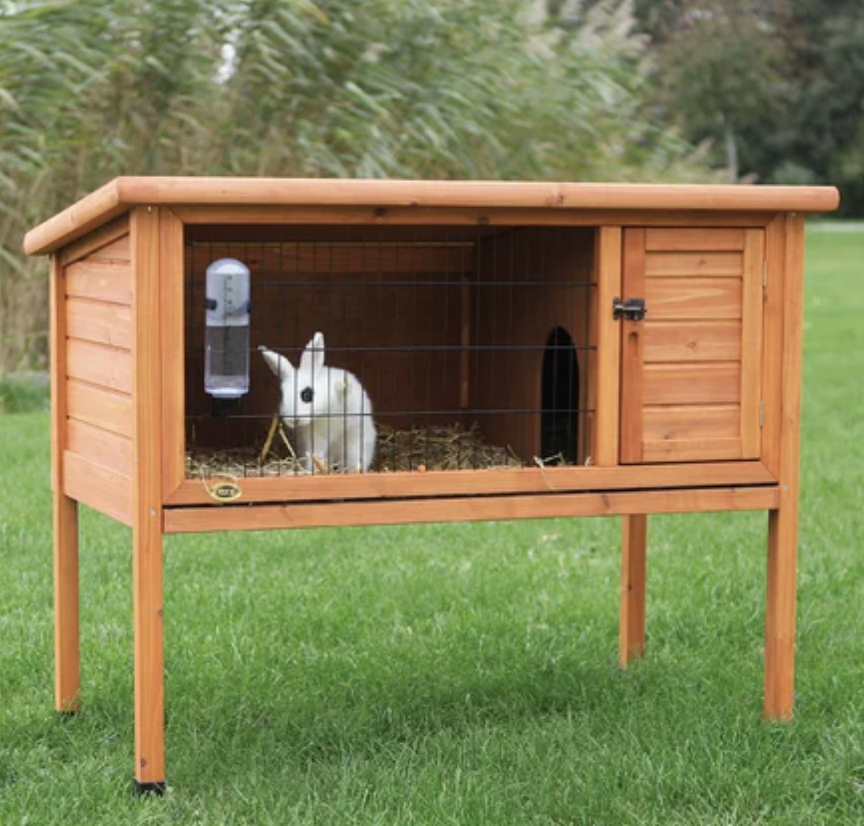
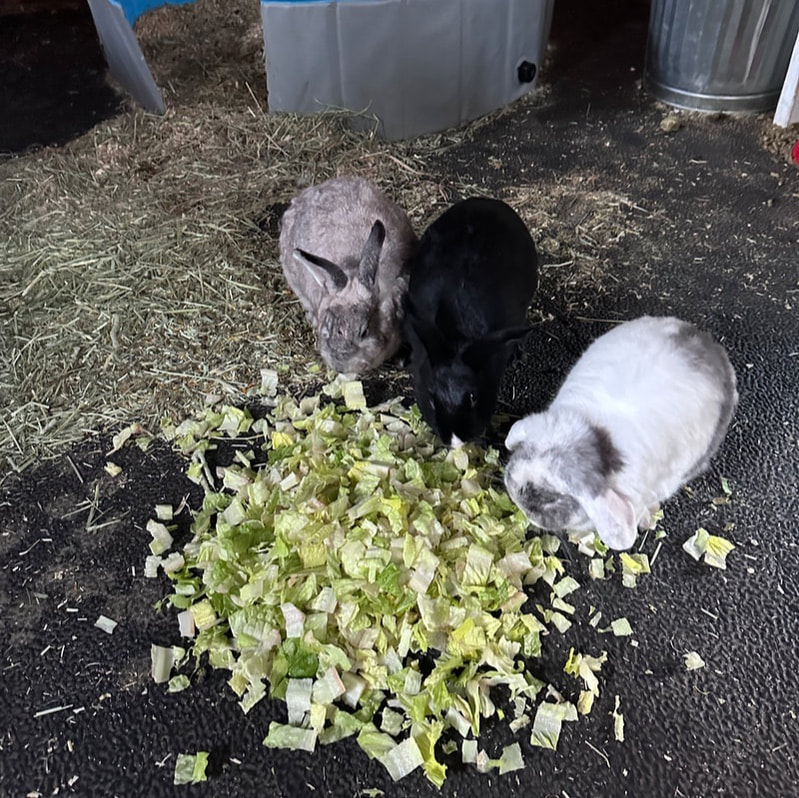
Here at the sanctuary, we currently have three rabbits (BunBun, BiBi and Barbie). They are housed in a large converted chicken coop with an attached aviary so they have access to both being inside and outside. BunBun is a 5 year old spayed female who was found lost in the streets. BiBi is a 2 year old un-spayed female who was found in the streets on a later date and different location than BunBun. Barbie is a 6 mo - 1 year old un-spayed female who was surrendered to the sanctuary after her owner abandoned her at her rental property. 

Rabbit Diet

Picture
A rabbit's diet should consist mainly of large quantities of hay or grass which they should have access to 24/7. Rabbit pelleted feed and fresh greens should make up the rest of their daily intake. Fresh grass can be fed to rabbits if plucked from the ground, but you must be sure that it hasn't been treated with any pesticides.
Rabbits can eat a good amount of carrot tops, herbs and lettuce but the carrots themselves should be fed sparingly. Small amounts of fruit such as strawberries, apples and bananas can be given occasionally as treats. Greens that are safe for rabbits include lettuce (except iceberg) and herbs (including parsley, cilantro, dill and basil). Kale can be fed occasionally but it can cause diarrhea when feed too often. Never feed a rabbit onions, garlic, leeks, chives (or any other plant in the onion family), corn or any processed foods. Corn kernels can cause bowel obstruction which can lead to bloat which is an emergency situation. 

Rabbit Housing

Picture
Many people believe that rabbits can be kept in small hutches all the time. This concept was developed by those who were breeding and raising rabbits for meat. Keeping rabbits in a hutch will lead to stressed and depressed animals. Also, the lack of exercise can lead to health problems. In the wild, a rabbit may roam up to 3 miles per day. It is important that rabbits have enough space to run, play and dig. 

Rabbit Facts

  • A baby rabbit is called a kit, a female is called a doe and a male is called a buck
  • Rabbits are very social animals and they live in groups in a series of underground tunnels called warrens
  • A rabbit's teeth never stop growing and they are worn down by chewing on grasses, hay, wildflowers and vegetables. Domesticated rabbits can develop dental issues preventing them from eating when they do not chew on enough roughage to wear down their teeth properly. 
  • Rabbits will jump in the air and twist and kick when they are happy
  • Like cats, happy rabbits can purr
  • Mother rabbits are pregnant for 28-31 days and give birth to up to 14 babies (called kittens) in a single litter
  • In captivity the rabbit's lifespan ranges from 8-12 years
  • Rabbits are intelligent creatures who are able to memorize tricks, solve problems and react to cues
  • Rabbits can recognize a range of human words, including their name
  • The intelligence of a rabbit is comparable to that of a cat or dog
Make a donation to help the sanctuary rabbits
1 Comment

Pig care

11/6/2023

1 Comment

 
Picture
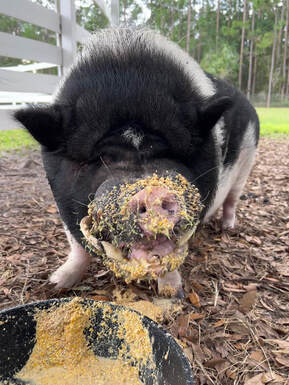
In this article, I will discuss the proper way to feed your pet pig. Pigs are omnivores, so their natural diet in the wild would include roots, veggies, nuts, seeds, berries, worms, insects, raw eggs and other little critters. It is ideal to feed captive pigs a large meal twice a day (breakfast and dinner) with healthy snacks throughout the day. 

There are several kinds of commercial feeds available for pigs, but most of them were developed for pigs intended for slaughter (to encourage maximum growth in a minimal amount of time). These feeds should not be fed to pigs who are intended to live a full life. There are commercial mini pig (or pot-bellied pig) food which are a better option but they should complement the pig's meal rather than be fed solely. 

A good daily diet for your pig should be primarily salad and vegetables. An example of a daily diet:
  • 3/4 to 1 cup of mini pig pellets two times per day (depending on the size and age of your pig)
  • 1-4 heads of lettuce
  • 1 helping of fruit as a treat (remove any pits first)
  • 1-2 carrots as snacks
  • Unsalted nuts can be tossed in the enclosure as a snack and to encourage movement
  • Pumpkins are a fun treat in the fall!
  • Make sure no salt is added to leftovers fed to pigs
Picture
Picture

Pig Facts

Studies have found pigs to be more intelligent and trainable than dogs and to have an IQ equal to or greater than a 3 year old child. Pigs are ranked as the 5th most intelligent animal in the world. They can learn their names quickly and they come when called. They are capable of playing video games better than some primates.

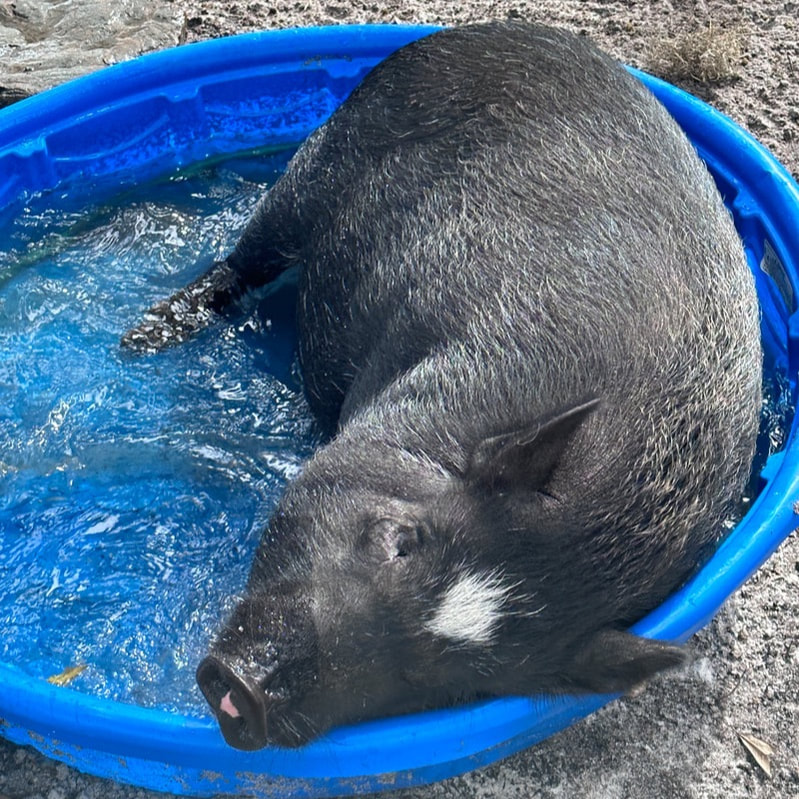
Pigs do not sweat which is why they like to lay in water or mud on hot days. Pigs are clean animals and choose a place to defecate away from where they sleep and eat. 

Pigs love belly rubs and can enjoy playing with toys and with each other. 

Pigs have an excellent sense of direction and can find their way home over long distances.

Pigs at the Sanctuary

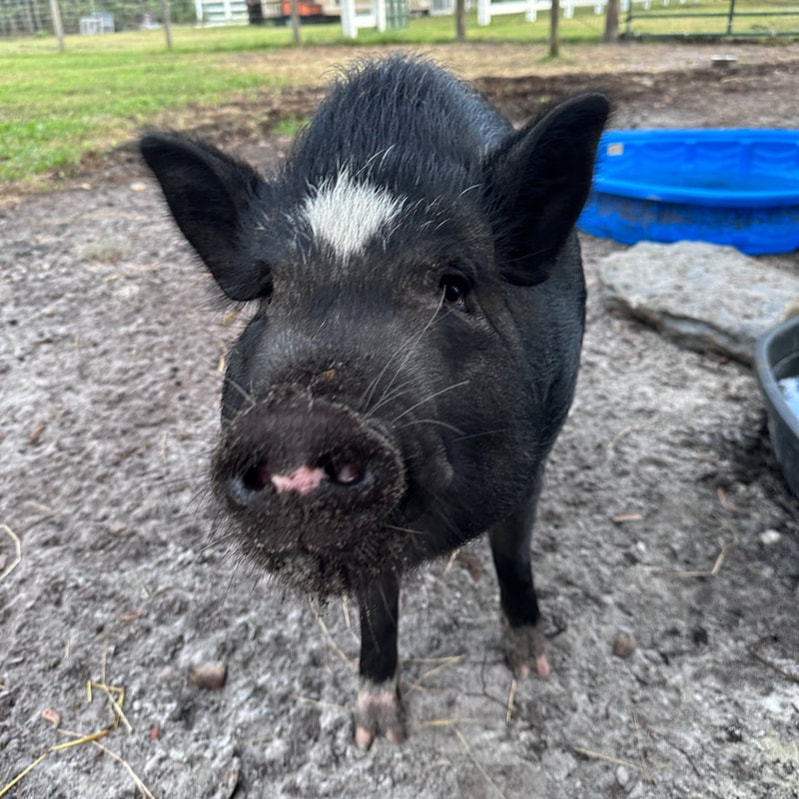
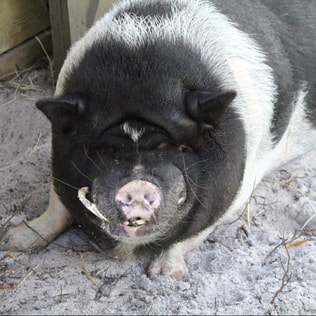
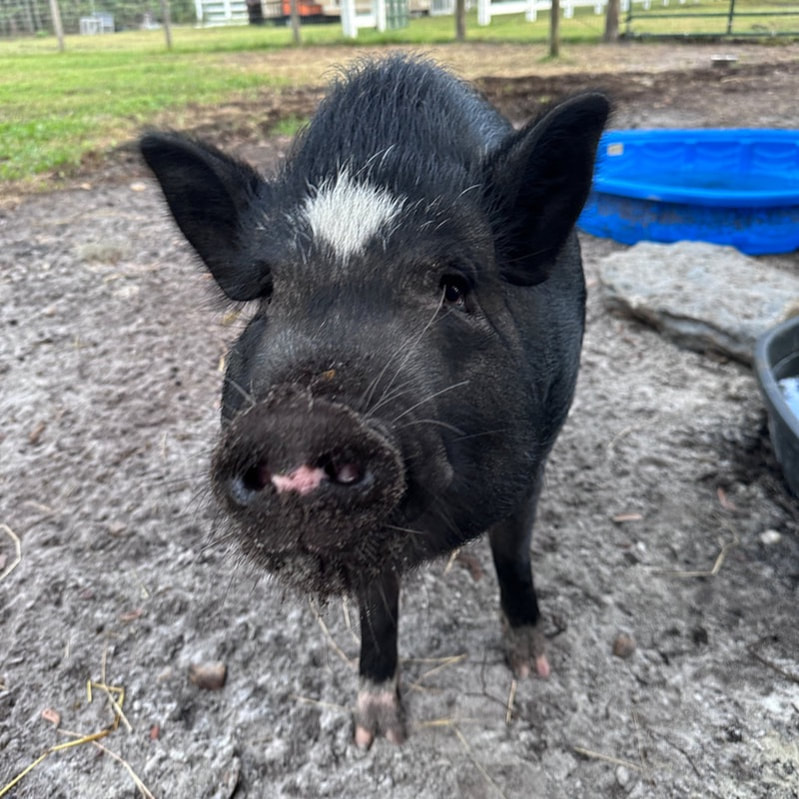
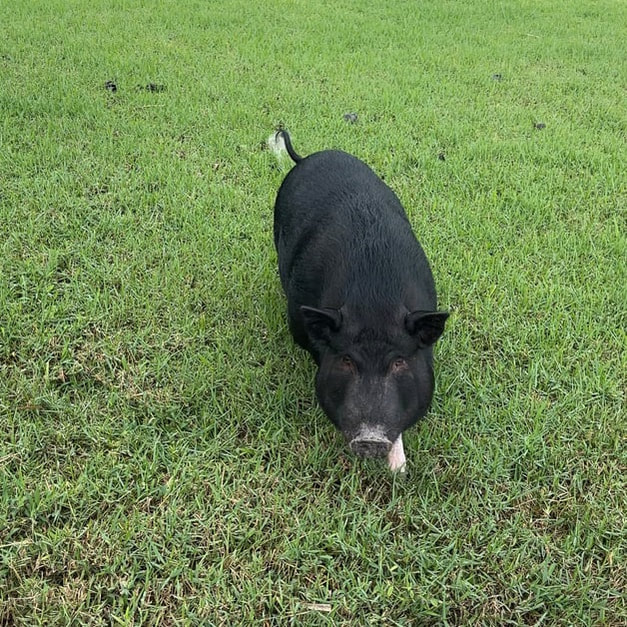
At the moment all of the pigs at the sanctuary are Pot Bellied (miniature) pigs. The current pigs are Dexter (10+ years old), Olive (6 years old) and Hamlet (1.5 years old). Dexter and Hamlet are neutered and Olive is spayed. 

Vietnam Potbelly pigs are a dwarf swine breed which where developed in the 1960's. They are imported to North American by a Canadian named Keith Connell who intended to put them in zoos but private buyers showed an interest and they began being sold as pets. They are called miniature pigs because they average 250 pounds when full grown which is much smaller than the regular sized 600-1500 pound domestic swine. They are not full grown until 5 years of age.

Interesting fact: A neutered male pig is called a "barrow" while and intact male pig is called a "boar". A female pig who has never had piglets is called a "gilt" while a mother pig is called a "sow".
Picture
Dexter
PictureHamlet

Picture
Olive

Factory Farmed Pigs

Picture
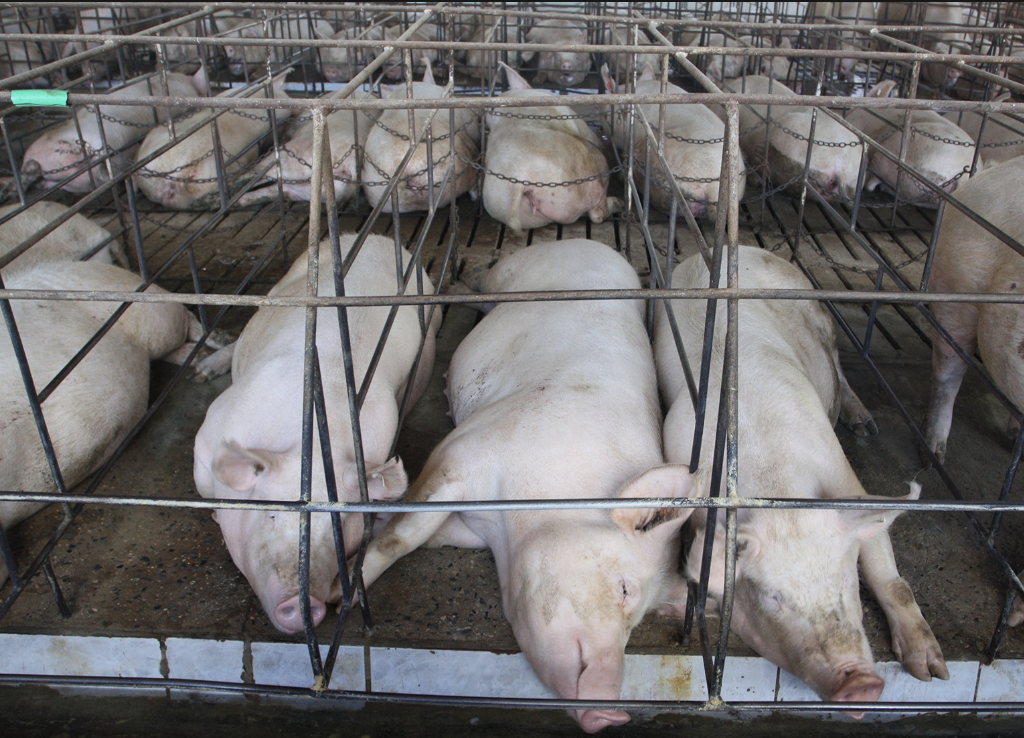
Sadly, factory farmed pigs are kept in small cages where they can not turn around. It is common to butcher these pigs at 5 - 6 years of age so they are deprived of 95% of their lives. 

In a lifetime, the average American meat-eater consumes 2,600 animals including 2,450 chickens, 118 turkeys, 33 pigs, and 12 cattle. Reducing meat consumption and purchasing meat that is humanely raised (family farms rather than factory farms) can make a huge difference not only for the wellbeing of the animals, but also for the environment and your health.
Take the pledge to eat less meat
Make a donation
1 Comment

    Author

    Dr. Angel is the owner of Holistic Animal Studies and a board member of Angel's Animals, LLC.

    Archives

    October 2025
    September 2025
    September 2024
    November 2023

    Categories

    All

    RSS Feed

Powered by Create your own unique website with customizable templates.
  • Upcoming Events
  • Join our Club
  • About
    • Members
  • Contact
  • Volunteer
  • Tours
  • Retreats
  • Yoga
  • Venue Rental
  • Weddings
  • Apparel
  • Custom Pet Portraits
  • Donate
    • Sponsor An Animal
  • Blog
  • Pledge to Eat Less Meat
  • Media